November 13, 2025
Introducing PENCOM’s CMU Surface-Mount Captive Screws

A Smarter Fastening Solution for Surface-Mount PCB Assemblies
PENCOM is excited to announce the release of the CMU Surface-Mount Captive Screws, an innovative addition to our line of precision fastening solutions. Designed specifically for Surface Mount Technology (SMT) processes, the CMU series enables engineers to install captive screws directly onto printed circuit boards (PCBs) using the same automated soldering techniques as other surface-mount components.
This development marks a significant step forward in simplifying assembly operations and improving the reliability of mechanical fastening in high-density electronic systems.
How CMU Surface-Mount Captive Screws Work
The CMU captive screw is a threaded fastener permanently retained within a low-profile housing that is soldered to a p.c. board (PCB) . During assembly, the fastener is placed and soldered in position using automated pick-and-place equipment and reflow soldering, just like resistors or capacitors.
Each CMU features a polyimide film patch on the top surface to facilitate vacuum pickup during automated placement. Once installed, the fastener remains captive in the board—meaning it cannot be misplaced or dropped during use.
After the reflow process, the screw is ready to secure the PCB to other components. This integration of mechanical fastening into the SMT process eliminates secondary operations, reduces handling, and improves overall assembly efficiency.
Key Features and Construction
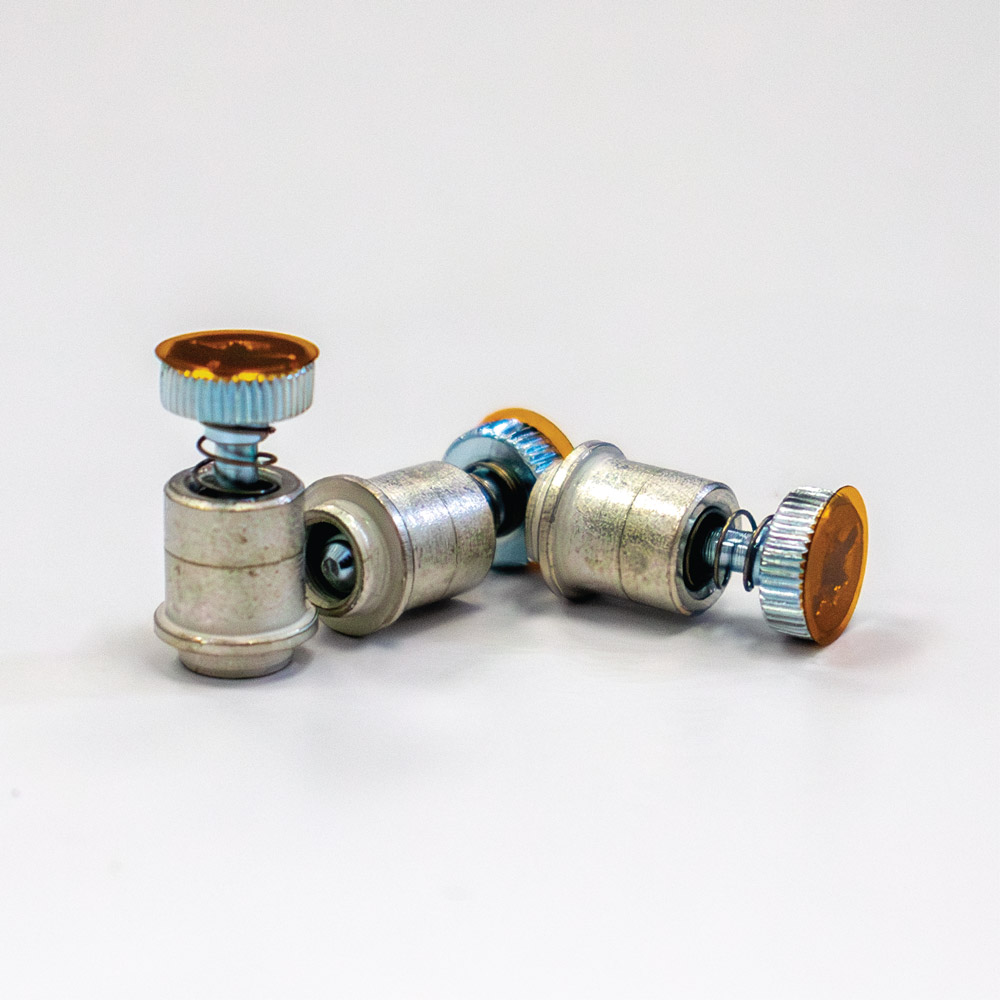
PENCOM’s CMU Surface-Mount Captive Screws offer several practical features that make them ideal for demanding electronic applications:
- SMT-Compatible Design: Installs on PCBs at the same time and by the same method as other SMT components.
- Permanent Retention: The screw remains attached to the assembly, minimizing the risk of loose hardware.
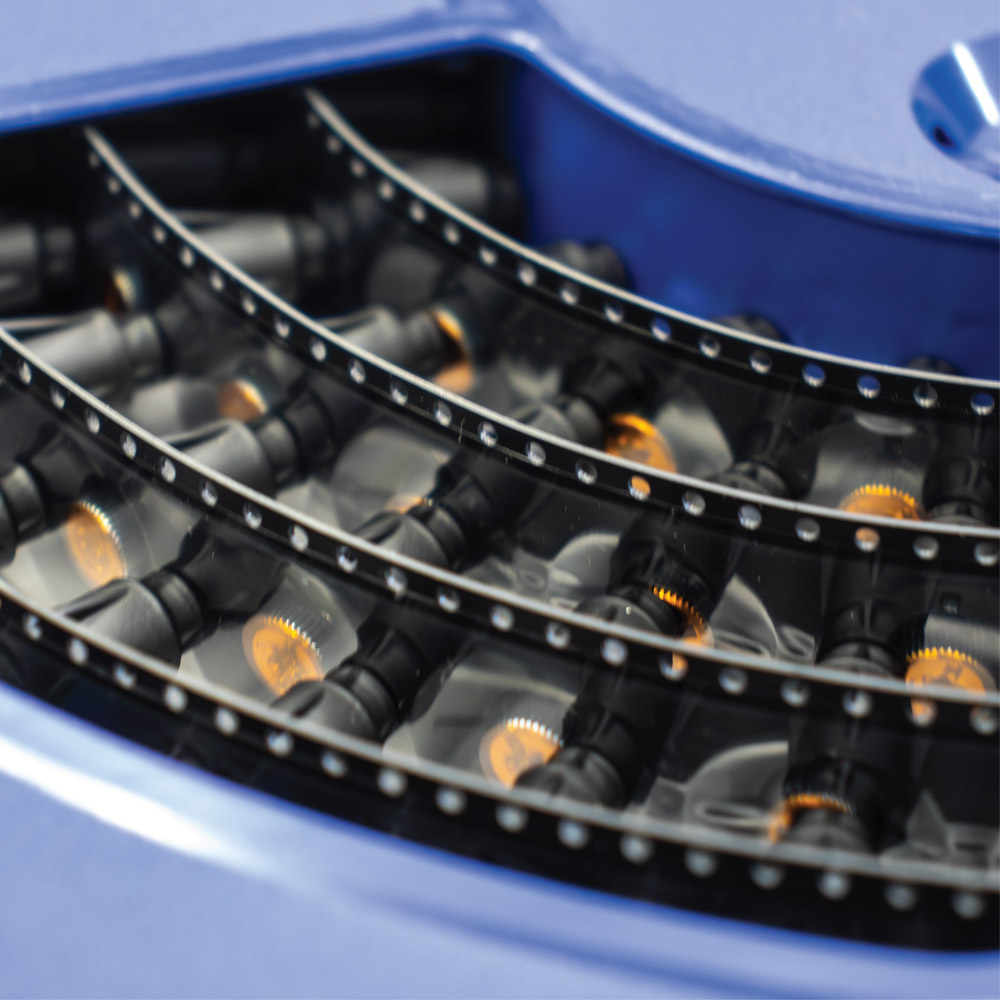
- Efficient Packaging: Supplied on tape-and-reel for seamless integration into automated “pick-and-place” production lines.
- Precision Materials:
- Retainer: Carbon steel with electroplated matte tin finish.
- Screw: Heat-treated carbon steel with zinc and clear chromate coating.
- Spring: Passivated stainless steel for strength.
- Thread Options: Available in both inch (4-40, 6-32) and metric (M3, M3.5) sizes…
- Ease of Installation: A solder-only attachment method—no mechanical press-fitting required.
Why Choose CMU Surface-Mount Captive Screws?
The CMU series provides several important advantages for design engineers, manufacturing specialists, and maintenance teams:
1. Streamlined Production
By integrating into SMT assembly lines, CMU captive screws eliminate secondary installation steps. They are soldered in place during the same reflow cycle as other electronic components, reducing production time and handling.
2. Reduced Hardware Management
Because the screw remains permanently retained, there is no risk of dropped or lost fasteners during service or assembly. This ensures clean, organized, and repeatable maintenance in field applications.
3. Space-Efficient and Reliable
The low-profile design conserves valuable space in compact assemblies—an essential benefit for consumer electronics, telecommunications, and instrumentation devices where real estate is at a premium.
4. Damage-Free Installation
SMT mounting removes the need for traditional press-fitting, minimizing potential damage to the PCB and simplifying board design.
5. Consistent Quality and Performance
Each CMU is manufactured to precise tolerances and finished per ASTM standards, ensuring consistent mechanical performance and corrosion resistance over time.
Ideal Applications
CMU Surface-Mount Captive Screws are particularly suited for:
- Communications and networking p.c. boards
- Medical and laboratory devices
- Aerospace and defense electronics
- Industrial control systems and instrumentation
Advancing Assembly Efficiency
By combining mechanical fastening and SMT automation, PENCOM’s CMU series redefines how captive screws are integrated into PCB assemblies. The result is a solution that reduces labor, improves consistency, and enhances reliability—all while supporting the ongoing trend toward miniaturization and automated manufacturing.